
Medication procurement is an intricate dance for any pharmacy or purchasing department, made complex by drug shortages, the introduction of biosimilars, and fluctuating patient volumes and insurance coverage. Order too much medication and it can go to waste. Order too little and you risk patients not getting what they need.
Pharmacy leaders at the Rochester, Minnesota-based Mayo Clinic wondered: Could artificial intelligence (AI) help us get it just right?
A Dec. 10 session at the ASHP 2025 Midyear Clinical Meeting & Exhibition, Precision in Prevention: Using Predictive Analytics in Hospital, Clinic, and Outpatient Settings, will explore how the Mayo Clinic leveraged AI to minimize overspending, waste, and stock shortages while ensuring quality of care.
The ASHP News Center chatted with the Mayo Clinic’s director of pharmacy therapeutic strategy, Susan M. Flaker, and senior pharmacist contract portfolio manager, Michelle Holm, ahead of the Midyear meeting. An edited transcript of the conversation follows.
ASHP: Where does this story start?
Flaker: The flu vaccine has long been a frustration. We saw how much refrigerator space it took up and how much was being sent back at the end of flu season. And we said, there has to be a better way to do this.
We started to dig into how the flu vaccine was ordered and how the contracts worked. Historically, medication was ordered based on prior-year purchase data and manual calculations. We developed a predictive algorithm to more accurately estimate how much flu vaccine we would need the following year, so we could reduce waste and keep costs low.
What were the results?
Flaker: We tested the predictive modeling for flu vaccines in two regions, resulting in $1.2 million in savings for the 2023-2024 season. It was so successful, we looked for other ways to use predictive analytics to help manage the Mayo Clinic’s drug inventory.
For example, take chemotherapy. In some cases, we are transitioning from the intravenous to the subcutaneous preparation of nivolumab. We used predictive analytics to determine, based on treatment plan data, when we would need that medication on a rolling basis. With this AI model, we were able to manage inventory a little better and ensure chemotherapy was available just in time, rather than waiting on the shelf.
How has predictive analytics changed your approach to contracting?
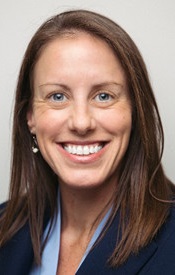
Holm: Predictive analytics provided the insights we needed to develop collaborative partnerships and negotiate competitive contracts with suppliers. Based on our predictive analytic modeling we determine the answers to questions such as: What is our institution currently using? What does utilization look like, and how might that fluctuate every week, month, or year? Are we slowly shifting toward another product within the category? How will biosimilars impact our shift from a brand-name medication? Predictive analytics helps to answer those questions before we send out a request for proposals.
What’s one challenge you faced along the way, and how did you solve it?
Flaker: One of the biggest challenges is getting people to change how they do things. For the flu vaccine project, I engaged with boots-on-the-ground staff early on. I wanted to make sure they were giving their input — because they’re the ones who are doing this every single day. They had a lot of credibility and became the loudest voices for change. That really helped.
What advice do you have for pharmacy leaders about experimenting with emerging technologies like AI?
Flaker: Don’t be afraid to ask for help and find people on your team who have skills beyond traditional pharmacy skills. We had 15 to 20 people helping us with the flu vaccine project. You have to be willing to listen to everyone, be willing to learn, and be willing to fail. And be prepared to invest the time to do it well.
Holm: Change management and adaptive thinking really come into play with any kind of innovation. Be willing to take the data, tell the story behind it, and ask questions to help people think differently. That’s how you help get them on board.
What do you hope Midyear attendees will take away from your session?
Flaker: Pharmacists want to work at the top of their license and do more critical thinking. With AI and predictive analytics, we can do that. We’ll walk learners through the actual equations and Excel sheets we used at the Mayo Clinic. We really feel that the processes we’ve developed internally are ones people could replicate in their own practice.
Holm: I want attendees to know that just because hospitals and integrated delivery networks have always done business a certain way, that doesn’t mean we need to continue doing it the same. With new tools such as AI and predictive analytics, and well-structured medication contracts, we can work more efficiently, be more timely, and potentially save money — while still taking good care of our patients.
Recent Articles

ASHP, Partners Defend Clinicians' Ability to Provide Evidence-Based Off-Label Care
July 23, 2026
ASHP Has New Policies on Standard of Care, Vaccine Access, Pharmacy Education, and More
July 21, 2026