

The management of next-generation therapies is a hot topic for pharmacy, and that's not likely to change soon.
“If you look at recent pipeline information, more than half of the new medications that FDA is approving are gene and cell therapies,” said Matthew Rim, chief pharmacy officer for Northwestern Memorial HealthCare in Chicago, Illinois. “There are a lot of medications coming out. It’s hard to keep up.”
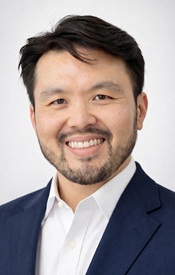
To help bridge that gap, Rim will be in St. Louis, Missouri, to moderate the June 16 ASHP Pharmacy Futures session Next-Generation Therapeutics for Complex Disease States. The session provides a focused review of advanced therapies, including cell and gene therapy (CGT) products, that have been recently approved or are expected to be authorized for the U.S. market this year — with an emphasis on the clinical, operational, and administrative concerns these products present for pharmacists.
FDA’s website listed nearly 50 approved CGT products in mid-May. Last fall, ASHP launched the ASHP Center for Next-Generation Therapeutics to provide resources and insights that help pharmacists work with CGTs and other advanced therapies.
“These medications require a different type of coordination, not only just to bring that therapy to the organization,” Rim said. “You also have to think about financial implications. And patient care is very different, too, knowing how to manage patients on those medications.”
Rim and his colleagues have been updating the profession on upcoming drug approvals since 2023 as coauthors of AJHP’s quarterly drug pipeline update series. He said that project was the inspiration for this year’s Pharmacy Futures session.
Rim will be joined in St. Louis by session presenters Alison Hanson, clinical trials pharmacist at Massachusetts General Hospital, and Alexandra S. Wolff, clinical pharmacy specialist at Atrium Health/Advocate Health in North Carolina.
“We have two great speakers this year, one for oncology medications — including gene therapies and cell therapies or CAR-Ts,” he said. “The other speaker will be talking about nononcologic conditions and medications.”
The medications covered in the session are those that the presenters expect to have a large clinical and fiscal impact on health systems. Rim said his main goal is to give attendees practical ideas about what they need to consider as their organizations evaluate how to offer advanced therapies to patients.
“We all need to know what’s coming at us so that we can prepare,” Rim said. “We need to do our diligence and study about the medications, work with the manufacturers, and then be in the networks to gain access. And we need to start thinking about financial implications for the organization.”
Recent Articles

ASHP Has New Policies on Standard of Care, Vaccine Access, Pharmacy Education, and More
July 21, 2026
ASHP and Pharmacy Partners Call for Restoring Confidence in Vaccine Advisory Process Following ACIP Charter Revision
July 9, 2026