
When he teaches pharmacy technicians at South Texas College, Roger Rodriguez emphasizes the real-world impact of their work.
“I always tell them that there’s a human being behind that label, that IV,” said Rodriguez, clinical education director at the college, located in McAllen, Texas.
To drive home that point, he sometimes shares a personal story about the day he prepared medications for a tiny newborn girl — his daughter.
In 2014, his second daughter, Jillian, was born eight weeks premature. At the time, Rodriguez worked every other weekend as an IV technician at the same hospital where Jillian was being cared for in the neonatal intensive care unit.
He and his wife decided he should keep his regular shift — which happened to fall just three days after Jillian was born. Who better to prepare Jillian’s medications, Rodriguez recalls his wife saying, than her own father?
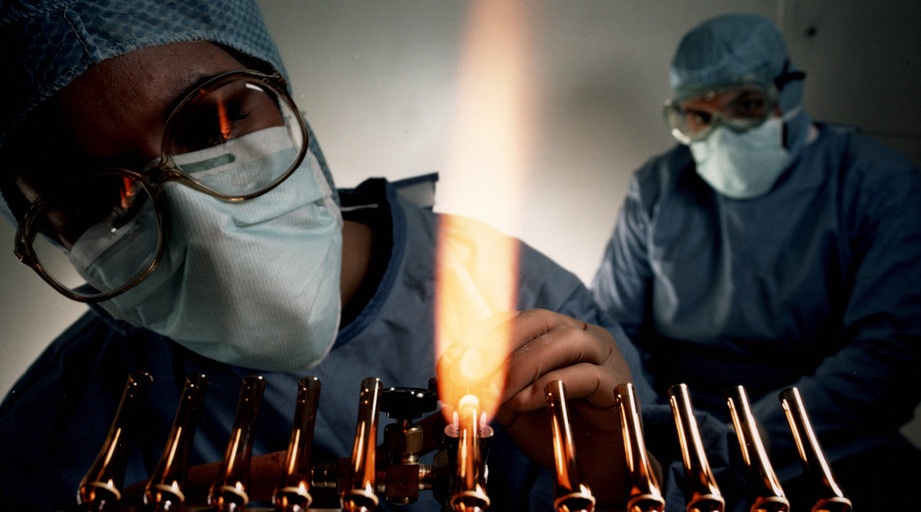
He recalls some of the treatments he prepared — total parenteral nutrition, dobutamine and dopamine drips, caffeine citrate, and IV antibiotics — along with the emotions he felt.
“As I stood in the sterile environment, carefully measuring and mixing each life-sustaining dose, the weight of both my professional expertise and my personal emotions overwhelmed me,” recalled Rodriguez. “Every vial, every calculated adjustment felt like an act of love, a tangible way to give her the strength she needed to fight. In that moment, I wasn’t just ensuring patient safety—I was directly impacting the life of the person who meant the most to me.”
As soon as he got a lunch break, he went straight to the NICU to check on her and make sure she was doing well, then returned to the pharmacy to prepare medications for other patients.

Rodriguez is a member of The Pharmacy Technician Society®, which next week celebrates its two-year anniversary. TPTS promotes the profession in part by shining a spotlight on its members’ stories. Rodriguez initially shared the account of helping his newborn daughter with TPTS and agreed to share additional details with the ASHP News Center as it marks TPTS’s anniversary.
Baby Jillian was able to go home before her father had his next rotation.
“Although my involvement was limited to those two days, the experience left a lasting impact on how I approach medication preparation for all my patients,” said Rodriguez.
Today, Jillian, 11, is an active sixth grader who likes to tell people how her father helped save her life. “If you were to see her now,” he said, “you would never think she was a preemie baby.”
That day reinforced the mindset that there’s someone behind the label waiting to go home.
“Pharmacy technicians are not directly involved with patient care—we are the ones that are preparing those medications,” he said. “But if we don’t have aseptic technique, or our calculations are wrong, the patient can be affected by it.”
Prepping medications should never be viewed as just another shift, he added. “It’s a medication that could either send our patients home or have devastating effects,” he said.
Even before the birth of his daughter, that was something Rodriguez understood on a personal level. When he was a sophomore in high school, his father was diagnosed with diabetes after an injury to his leg wasn’t healing. Rodriguez watched his father take multiple medications and later suffer kidney issues from metformin, requiring him to undergo dialysis.
Rodriguez tried to help when he could, including getting his father enrolled in a medication synchronization program that allowed him to take home medications on the days he already went to a medical center for dialysis. But his family suffered several frustrating occasions.
One time, a doctor gave his father expired medication samples. Another time, his father brought his medications for diabetes, dialysis, blood pressure and cholesterol to an appointment for medication reconciliation, and the pharmacy lost his medications, so they had to go through their health insurer and reorder refills.
“He was at that point disabled, so he wasn’t working. Even though it was a $3 medication or a $5 medication, to him it was money that shouldn’t have been spent on something he already had,” Rodriguez said.
That experience, he said, inspired him to become a pharmacy technician.
“I witnessed firsthand the profound impact that compassionate pharmacy practice can have when my father struggled to manage his medications and health conditions,” he said. “Seeing his frustration and confusion fueled my desire to help others navigate their treatment with clarity and confidence.”
In his continuing clinical work as a hospital technician, he looks carefully at patient charts and medications for any potential damage that could be halted through medication adjustments. He also ensures that patients have their medications before they head home.
Emphasizing patients’ stories, he said, helps make the case to his students for continuous professional development.
“What I’m teaching them now may not necessarily be relevant in five years, and in order for them to continue to make an impact,” he said, “they have to continue learning and keep up with the updates.”
Recent Articles

ASHP and Pharmacy Partners Call for Restoring Confidence in Vaccine Advisory Process Following ACIP Charter Revision
July 9, 2026
Gallelli Reflects on History of Pharmacy Innovations at the NIH Clinical Center
July 8, 2026