

ASHP Pharmacy Futures attendees who want a lot of practical information about AI in a compressed format will find it at the June 15 session Ambulatory Care Gems 2026: Artificial Intelligence and Advanced Technology in Ambulatory Care.
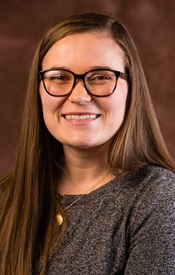
“We are going to have over a dozen presenters who will be speaking on how to incorporate advanced technology into day-to-day practice,” said session moderator Allie Fay, director of ambulatory pharmacy services at The Family Health Centers in Asheville, North Carolina. “We’ve designed the session in hopes that the attendees will take away actionable items.”
Like the pearls sessions at the ASHP Midyear Clinical Meeting & Exhibition, the fast-paced gems presentations at Pharmacy Futures allot each speaker about five minutes to talk about their work.
“What I love about gems sessions is that attendees can hear from a variety of speakers on a lot of topics to help spark an idea or start a discussion,” Fay said. She’s also enthusiastic about the networking opportunities at the session and the potential for participants to connect and share tips long after the meeting ends.
This year’s topics include the use of AI for patient engagement and education, workflow efficiency, scientific inquiry — and the art of constructing an effective AI prompt.
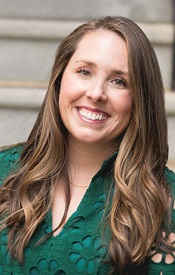
“The art of the prompt is learning how to ask AI not just for what you want but also for avoiding what you don’t want,” said session presenter Brittany B. Wheeler, clinical pharmacy specialist at the VA Augusta Health Care System in Georgia. Her gems presentation focuses on the construction of AI prompts that produce evidence-based answers to clinical questions.
Wheeler said constructing an effective AI prompt requires a problem-solving perspective and skill set that’s not traditionally taught in pharmacy school.
“I think it takes practice to learn how to prompt effectively, Wheeler said. “It seems overwhelming at first, but the more you do it, the easier it gets.”
Effective AI prompts are also useful in pharmacy education, said session presenter Jeff Olson, director of ambulatory clinical pharmacy services for Intermountain Health in Salt Lake City, Utah. Olson will share how his team, led by Primary Care Clinical Pharmacist Emily Hays, established a chat-based platform for obtaining consistent, detailed preceptor feedback that improves the overall quality of the educational experience.
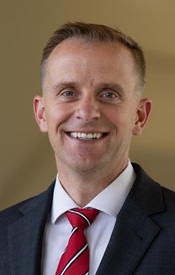
Olson said residency program surveyors want to see qualitative feedback data, but obtaining that information can be challenging, tedious, and time consuming. He said the AI chat platform helps solve those problems.
In addition to improving data collection, the AI tool gets high marks from those who use it.
“I think one thing that will be unique with our session is, we’ve got the perspective of both the preceptor and the learner that will be shared,” Olson said. “So you can hear from learner’s side of things. Manuel Armenta, Emily’s PGY2 ambulatory care resident, will share how the evaluation tool helped him, in addition to the time savings and the support that it gave to the preceptor.”
Wheeler said she’s looking forward to Pharmacy Futures activities outside of her gems presentation — including the National Pharmacy Preceptors Conference, where she’ll seek inspiration on how to better connect with today’s students and residents.
“I’m super excited about the preceptors conference,” Wheeler said. “There are so many changes in how learners are being taught.”
Fay and Olson said they’re eager to touch base with pharmacy colleagues at a national pharmacy event that has a cozier feel than the larger Midyear meeting.
“I really value the opportunity to network and connect with colleagues from across the country,” Olson said. "The opportunity to meet with innovators who are shaping where pharmacy practice is going has always been extremely valuable and helpful for me and for what I bring back to our organization.”
Recent Articles

ASHP, McGraw Hill Collaborate to Bring Drug Information to Medical Learners, Clinicians
July 1, 2026
Congress Pushes Back on Eli Lilly 340B Claims Requirements
July 1, 2026